 Skip to content
In the heart of Kigali lies one of the country’s most inspiring conservation success stories—Nyandungu Urban Wetland Eco-Park. Once a degraded wetland threatened by urban expansion, this revitalized eco-park has transformed into a thriving animal sanctuary that blends biodiversity conservation with sustainable urban living. Today, it stands as a model for how cities can restore ecosystems while creating meaningful recreational spaces for residents and visitors alike.
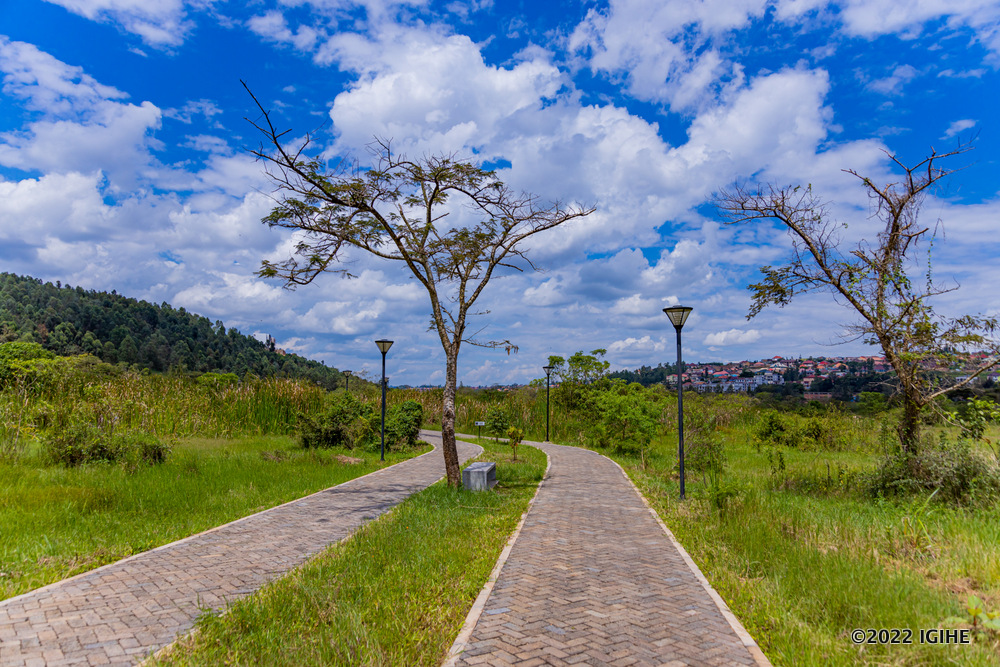
Spanning over 120 hectares, Nyandungu Urban Wetland Eco-Park offers a refreshing escape from the city’s fast-paced rhythm. The park is designed with eco-tourism in mind, featuring walking and cycling trails, viewing platforms, and serene picnic areas surrounded by lush vegetation. Its carefully restored wetland ecosystem plays a critical role in water purification, flood control, and climate resilience, making it not just a beautiful place to visit but also an essential tourism asset for Kigali.
The Transformation Story
The journey of Nyandungu Urban Wetland Eco-Park is a powerful example of environmental restoration. Previously encroached upon by industrial activities and informal settlements, the wetland underwent a large-scale rehabilitation effort led by the Rwanda Environment Management Authority. Native plant species were reintroduced, water channels were restored, and biodiversity was carefully nurtured back to life.
This transformation aligns with Rwanda’s broader commitment to environmental sustainability and green urban planning. The park now serves as a living classroom, demonstrating how degraded ecosystems can be restored through science, policy, and community engagement.
Biodiversity and Wildlife
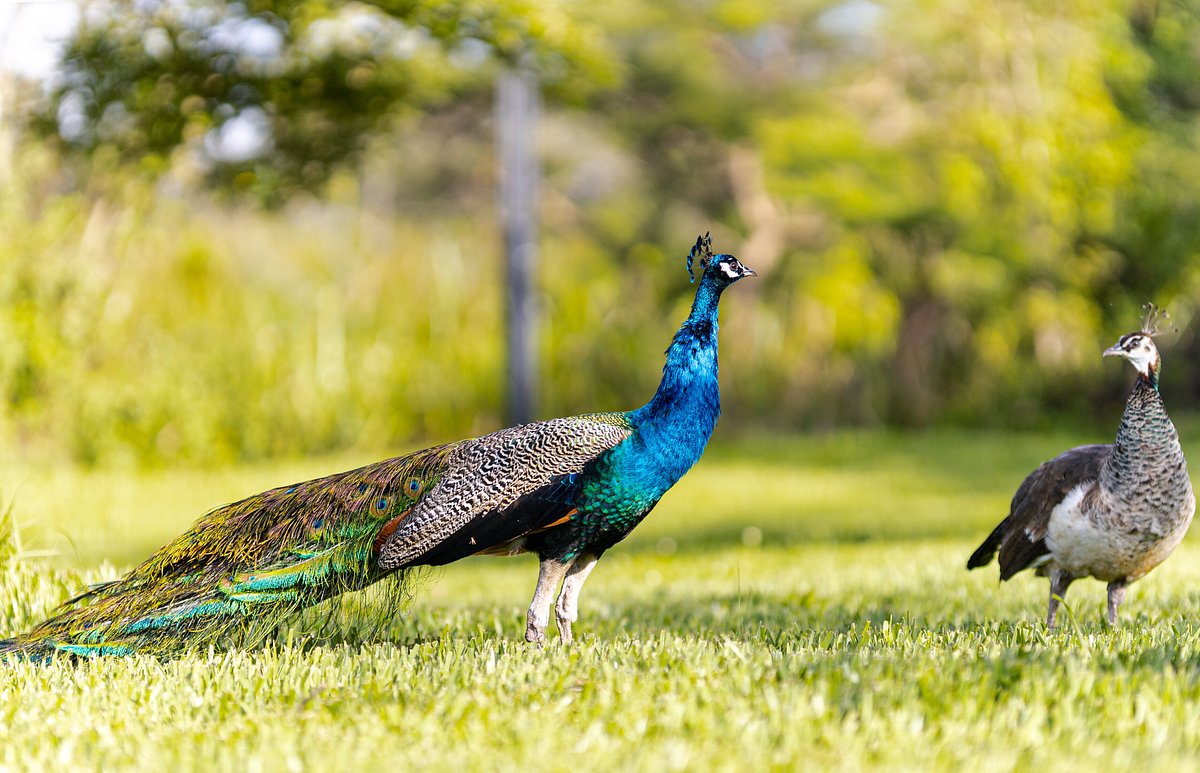
Today, Nyandungu Urban Wetland Eco-Park is home to a rich variety of plant and animal species. The wetland supports numerous bird species, making it a haven for birdwatchers and nature enthusiasts. Visitors can spot herons, egrets, and other waterbirds thriving in their natural habitat, alongside butterflies and small mammals that contribute to the park’s ecological balance.
The vegetation is equally impressive, with indigenous trees and aquatic plants forming a vibrant landscape. This biodiversity not only enhances the park’s beauty but also reinforces its ecological functions, from improving air quality to supporting pollinators.
Activities and Visitor Experience
A visit to Nyandungu Urban Wetland Eco-Park offers more than just scenic views—it’s an immersive experience. The park features well-maintained trails that allow visitors to explore different sections of the wetland, each offering unique perspectives of the ecosystem. Whether you’re walking, jogging, or cycling, the peaceful environment makes it easy to connect with nature.
Educational tours are also available, providing insights into wetland conservation, biodiversity, and sustainable practices. These guided experiences are particularly valuable for students, researchers, and eco-conscious travelers who want to understand the importance of wetlands in urban settings.
Photography enthusiasts will find endless opportunities to capture stunning landscapes, wildlife, and reflections on the water’s surface. The park’s design ensures accessibility while preserving its natural integrity, making it suitable for visitors of all ages.
Why Nyandungu Eco-Park Matters
Nyandungu Urban Wetland Eco-Park is more than just a զբոսայգի—it represents a shift in how cities approach development and conservation. In a rapidly urbanizing world, green spaces like this are essential for maintaining ecological balance and improving quality of life. The park contributes to Kigali’s reputation as one of Africa’s cleanest and most environmentally conscious cities.
Its success also highlights the wetlands as natural infrastructure. By filtering water, reducing floods, and supporting biodiversity, wetlands provide services that are often overlooked but critically important for sustainable development.
Best Time to Visit
The park can be visited year-round, thanks to Kigali’s mild climate. Early mornings and late afternoons are particularly ideal, offering cooler temperatures and the best time for wildlife observation. The rainy seasons bring out lush greenery, while the dry months provide clearer trails and easier exploration.
Travel Tips
When visiting Nyandungu Urban Wetland Eco-Park, it’s recommended to wear comfortable walking shoes and bring water, sunscreen, and a camera. Respecting the park’s conservation rules—such as staying on designated paths and avoiding littering—helps preserve its beauty for future visitors.
