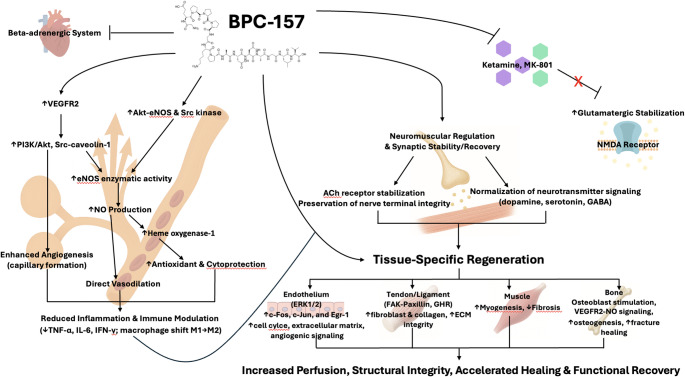
bpc 157 immune system
https://cdn.theatlantic.com/thumbor/DchA0JQo5opzXjWbkl4UZry_3CM=/4x41:1996x1087/960x504/filters:watermark(https://cdn.theatlantic.com/media/files/share_badge_discussion.png,-20,20,0,33)/media/img/mt/2026/03/2026_03_11_everyone_is_a_biohacker/original.jpg peptides dubai At the molecular level, 5-amino-1MQ functions as a competitive inhibitor of NNMT, demonstrating remarkable potency with an IC₅₀ of 1.2 ± 0.1 μM under standard assay conditions (50 μM SAM, 100 μM nicotinic acid). This represents a dramatic 10-fold improvement over the parent compound 1-methylquinolinium, achieved through strategic amino group substitution that enhances binding affinity to the NNMT active site. The compound's mechanism centers on preventing the methylation of nicotinamide to 1-methylnicotinamide (1-MNA), thereby preserving nicotinamide for recycling back to NAD+ through the salvage pathway. This intervention effectively blocks what researchers have termed the "NNMT metabolic drain" – a process that simultaneously depletes NAD+ precursors and consumes cellular methylation capacity Choose your test:Leaky Gut Test How to Follow a Safe BPC-157 Protocol in 2026 | InCare

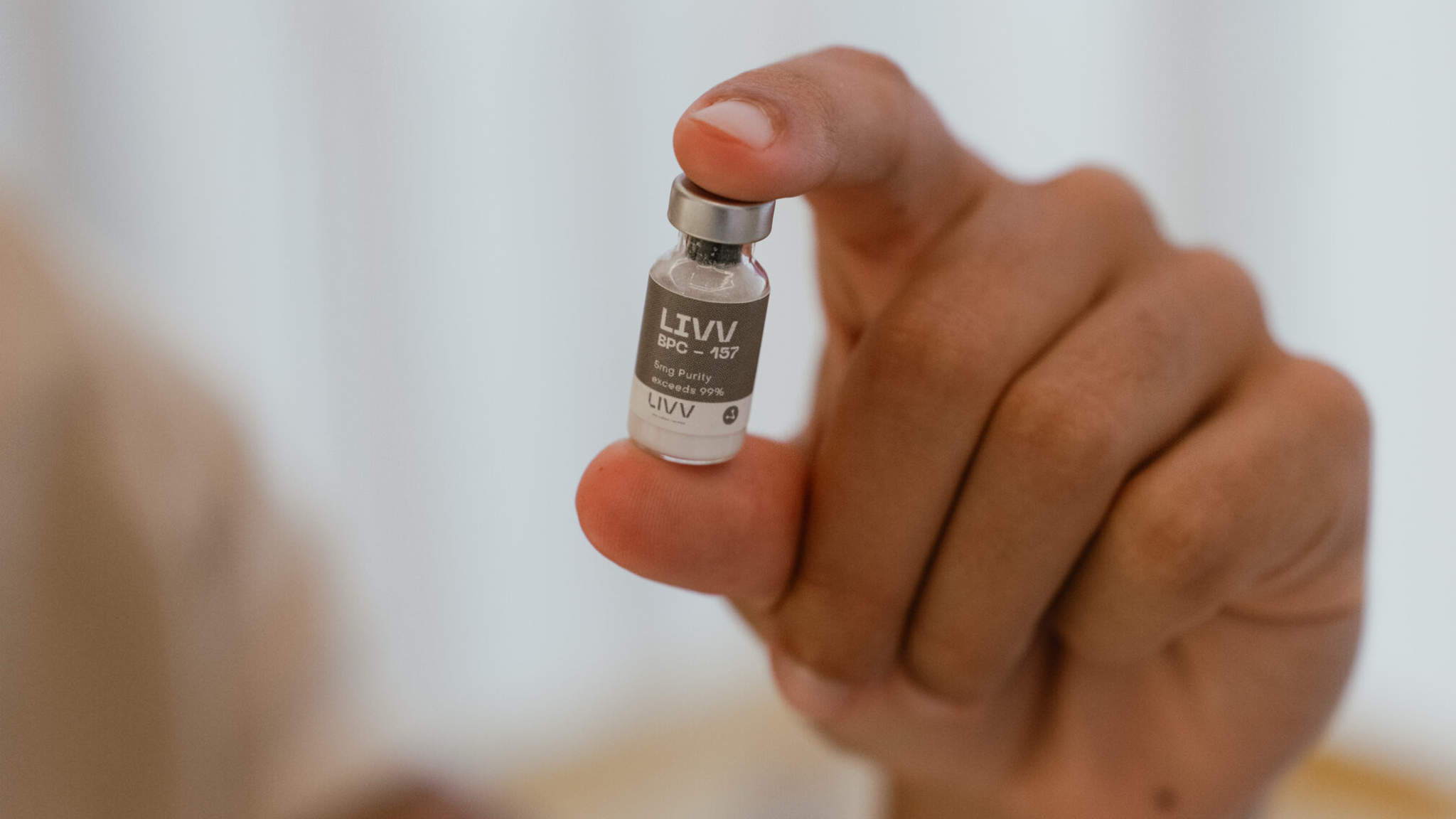

BPC-157 Rapid | 60 count
USD23.01